The 2026 FIFA World Cup will not just bring global soccer to Miami. It could change the way Florida families, coaches, clubs, and young athletes think about the sport for years.
Hard Rock Stadium in Miami Gardens is set to become one of the biggest soccer stages in North America during the tournament, with FIFA listing Miami as one of the official host cities for the expanded 2026 World Cup. For South Florida, that means more than packed stands and international visitors. It means local players will see the world’s best athletes competing in their own backyard, and that kind of visibility can shift a development culture fast.
Florida has always produced elite athletes, but soccer development in the state has often lived in a crowded sports landscape dominated by football, basketball, baseball, and track. The World Cup gives youth soccer a rare chance to move from participation sport to cultural centerpiece. For coaches and clubs, the question is not whether interest will rise. The better question is whether Florida’s youth soccer ecosystem is ready to turn that interest into stronger training habits, better pathways, and more long-term player development.
Why Miami’s World Cup Moment Matters
Miami is uniquely built for a World Cup impact story. It is international, bilingual, soccer-aware, and already connected to Latin American, Caribbean, and European soccer cultures. That gives South Florida an advantage many American markets do not have. The World Cup will not need to introduce soccer to the region. It will amplify something that already exists.
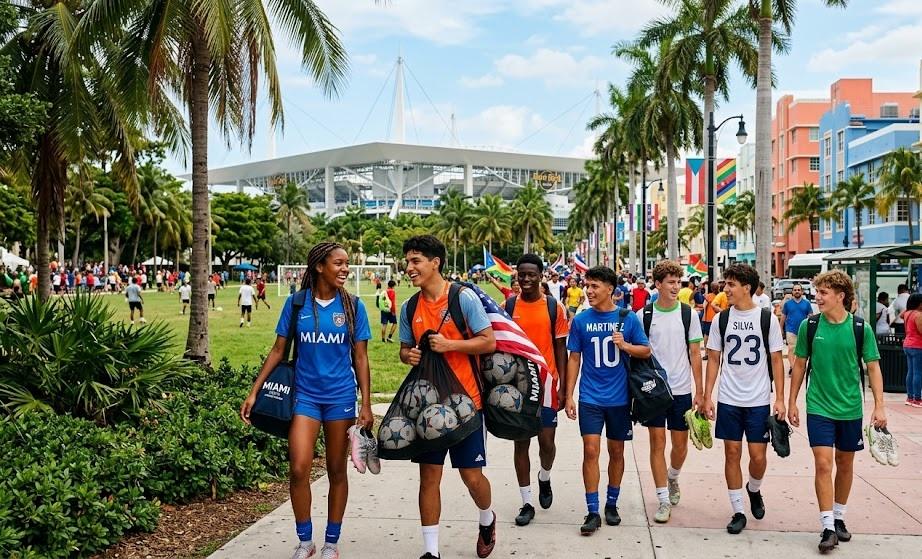
That matters for youth development because young players respond to proximity. Watching a World Cup match on television is powerful. Knowing that the same tournament is happening in Miami creates a different emotional connection. A young winger in Broward County, a goalkeeper in Miami-Dade, or a midfielder in Palm Beach County can suddenly see the global game as something closer, more reachable, and more relevant.
FIFA’s official Miami World Cup host city profile frames the city around diversity, passion, and the celebration of the game. That identity fits the youth soccer opportunity. If local clubs, schools, and community programs use the event correctly, the tournament can become a development accelerator rather than a one-month spectacle.
The Youth Soccer Boom Could Start With Participation
The first impact will likely be participation. Major international tournaments tend to create curiosity among young athletes who may have been casual fans, multi-sport players, or complete newcomers. In Florida, that could mean more children entering recreational soccer, more families exploring local clubs, and more schools recognizing soccer as a serious athletic pathway.
Florida Youth Soccer already serves as the state governing body for youth soccer, providing membership support for clubs, leagues, players, and coaches. That infrastructure matters. A World Cup surge only becomes meaningful if there are organized places for new players to go.
The development challenge is capacity. More interest means more demand for fields, coaches, referees, tournaments, and affordable entry points. If the state only sees a short-term registration spike, the legacy will be limited. If clubs use the moment to improve coaching standards, widen access, and retain new players beyond 2026, the World Cup could reshape the player pool.
| Development Area | Possible World Cup Effect | Long-Term Florida Impact |
|---|---|---|
| Recreational soccer | More first-time players | Larger grassroots base |
| Competitive clubs | Higher tryout interest | Deeper talent pools |
| Coaching education | More demand for qualified trainers | Better player development |
| School soccer | More visibility for programs | Stronger local competition |
| College recruiting | More attention on Florida talent | Better pathways for elite players |
The key is not just getting more kids to sign up. It is keeping them engaged once the tournament leaves.
Why Coaching Quality Becomes The Real Test
The biggest winner from a World Cup bump should not be only the most talented 12-year-old striker. It should be the entire coaching environment around young players.
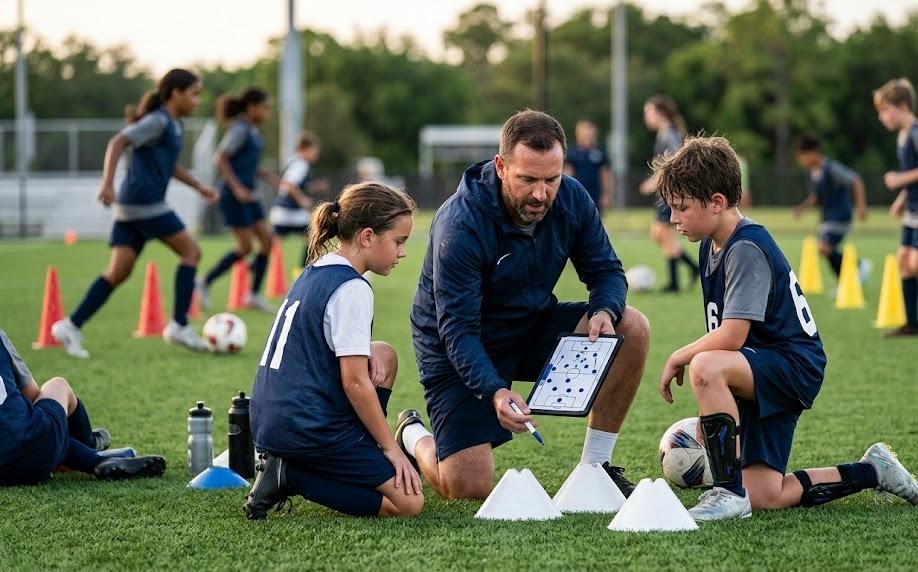
Florida has athletic talent everywhere, but soccer development depends on repetition, decision-making, technical detail, and tactical education. A player can be fast and strong and still need years of structured coaching to become college-ready. That is where the World Cup can help change expectations.
Parents may start asking better questions. Are coaches teaching first touch under pressure? Are players learning spacing, scanning, pressing triggers, and off-ball movement? Are clubs prioritizing development or just tournament results? Those questions matter because the next step for Florida youth soccer is not just more participation. It is smarter participation.
This is where FloridaSportsView’s broader coverage of Florida youth sports development connects naturally with the World Cup moment. The state does not need youth soccer to become more commercial without becoming more developmental. It needs better access, better coaching, and better long-term planning.
The South Florida Pipeline Could Get Stronger
South Florida already has a powerful soccer identity, but the 2026 World Cup could give the region a sharper development edge. Miami-Dade, Broward, and Palm Beach counties have the population density, cultural connection, and competitive environment needed to produce serious players.
The presence of Inter Miami has already raised local soccer visibility. The World Cup adds another layer because it brings national teams, international fans, and global attention into the same market. For young players, that can create a stronger sense of belonging inside the sport.
But the pipeline will only improve if the post-World Cup environment becomes more organized. Clubs must create pathways for different levels of players. Not every child needs to chase a professional contract. Some need a healthy team environment. Some need a high school pathway. Some need college exposure. Some need elite academy-level training. The best youth soccer regions understand those layers.
Florida’s opportunity is to become more intentional. The World Cup can inspire the players. The system must develop them.
College Soccer Could Benefit From A Deeper Local Player Pool
Florida college programs could also feel the effects over time. A stronger youth soccer base gives college coaches more local players to evaluate, especially if clubs and high schools improve how they prepare athletes physically, technically, and academically.
This is especially important for players who may not be immediate national prospects at age 14 or 15. Soccer development is not always linear. Some athletes mature late. Others improve dramatically once they receive better coaching or find the right positional role. A World Cup-driven soccer boom could keep more players in the sport long enough for those development curves to matter.
For Florida colleges, that could mean deeper recruiting conversations across the state. It could also mean more pressure on local programs to identify talent earlier and build relationships with club coaches, high school coaches, and community organizations.
The larger lesson is simple: World Cup excitement becomes valuable only when it connects to a real pathway.
The Business Of Soccer Will Influence The Grassroots Game
The World Cup will also bring a major commercial wave. Media companies, sponsors, tourism groups, sports technology firms, and sportsbooks will all follow the global attention. That does not mean youth soccer should become driven by betting markets or commercial hype. It does mean the sport’s broader ecosystem will become louder, more visible, and more competitive.
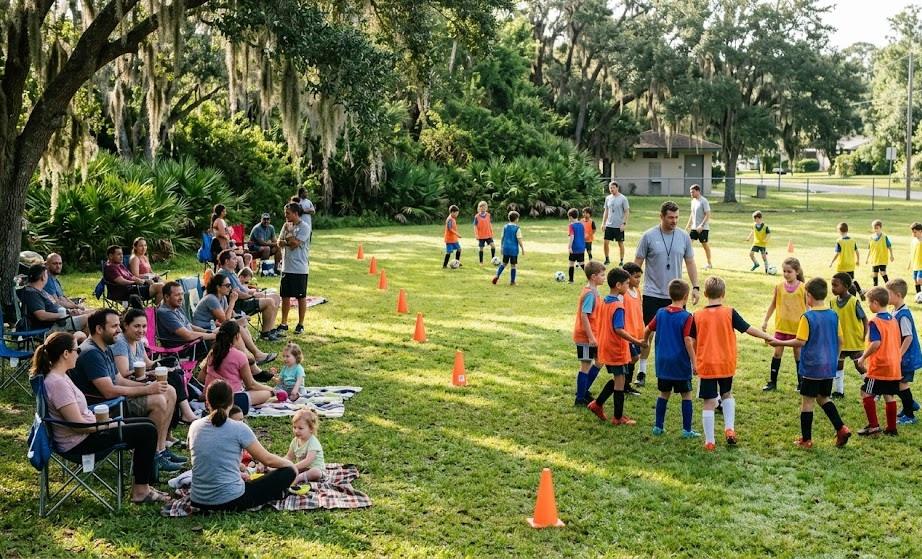
That visibility can affect how families consume the sport. Major events create new fans, and new fans often become new participants. The global betting and media conversation around the tournament is already part of that wider sports economy, with World Cup sportsbook preparation trends showing how major tournaments reshape audience behavior beyond the field.
For youth soccer leaders in Florida, the priority should be balance. Use the attention. Capture the energy. But keep the focus on player development, access, safety, coaching quality, and community value.
What Florida Clubs Should Do Before 2026
The smartest youth soccer organizations will not wait until the tournament begins. They will prepare now.
Clubs should evaluate whether they have enough beginner-friendly programs, coach education resources, goalkeeper training, girls’ soccer opportunities, and affordable entry points. They should also think about retention. A child who joins soccer because of the World Cup should still have a reason to love the game six months later.
A few priorities stand out:
- Create low-cost introductory clinics tied to the World Cup calendar
- Train more volunteer and entry-level coaches before participation rises
- Build clear pathways from recreational play to competitive teams
- Partner with schools, parks departments, and community groups
- Use World Cup watch events to connect families with local programs
The mistake would be treating 2026 as a marketing campaign only. The real opportunity is structural. Florida can use the tournament to strengthen the bottom of the pyramid, not just spotlight the top.
Why The Legacy Will Depend On Access
The most important word in Florida youth soccer after the World Cup may be access.
If the sport becomes more expensive, more selective, and more travel-heavy, the development impact will be limited. If the World Cup helps create more community clinics, better public-field partnerships, stronger school programs, and more inclusive club models, the impact could be much larger.
Florida has the population, athleticism, climate, and soccer culture to become one of the country’s most important youth soccer states. Miami hosting World Cup matches can accelerate that direction, but only if the momentum reaches beyond elite clubs and into everyday communities.
The next generation of Florida players will not be built by one tournament. They will be built by the habits that follow it.
The Bigger Play For Florida Youth Soccer
The 2026 World Cup in Miami gives Florida youth soccer something rare: a global event with local consequences. It can inspire young players, bring families into the sport, push clubs to improve, and give coaches a stronger platform to teach the game.
But the tournament itself is only the spark. The real test comes after the final whistle, when the crowds leave and local players return to practice fields across Miami, Orlando, Tampa, Jacksonville, and every smaller soccer community in between.
If Florida treats the World Cup as a one-time event, the impact will fade. If the state treats it as a development opportunity, it could reshape youth soccer for the next decade.