Forget about fake rivalries made in boardrooms. The real rivalry is on the turnpike. Florida’s top soccer feud started in the early MLS days. Every challenge felt personal.
The numbers show it’s a close match. There have been 16 games. One side has a slight edge, 7-5-4. The goal difference is just one. It’s like a sibling rivalry where both sides are now evenly matched.
What happens when you add Argentine genius to this rivalry? The Sunshine Clásico gets even more intense. It’s a clash of history and hype. Let’s explore how this chapter, as our breakdown shows, will be the most exciting yet.
Messi Effect: Tactics, spacing, and set-piece threats
Imagine a black hole in midfield—that’s the pull Lionel Messi has. His confirmed absence for this Sunshine Clasico means a total change in tactics. The “Messi Effect” isn’t just a player; it’s a problem of physics. His presence changes the game’s defensive setup before a single pass is made.
Messi is the top scorer in this derby with four goals. His record is a reminder of his impact. Without him, Miami’s Rodrigo De Paul and Orlando’s Martín Ojeda will try to fill the goal-scoring gap.
When Messi plays, Orlando’s defense drops five yards deeper. They fear his through balls. This creates space for his teammates. Without him, Orlando’s defense might relax, but they could also be confused.
Miami faces a big tactical challenge. Should they try to mimic Messi’s playmaking or find a new way to play? Trying to be like Messi is impossible. Miami might need to find a new identity.
Set-pieces are another key area. Messi’s absence means less defensive focus on free-kicks and corners. This opens up new aerial threats. Who will step up to take advantage of this?
Miami’s attack without Messi is like a jazz improvisation. It could be brilliant or chaotic. Players like De Paul are key to the rhythm.
Orlando’s defense might feel like they’re missing a limb. They’ve been so focused on Messi. This could be Miami’s chance to score.
| Aspect | Miami with Messi | Miami without Messi |
|---|---|---|
| Tactical Core | Orchestrated through one genius; predictable brilliance. | Distributed creativity; unpredictable adaptation. |
| Defensive Spacing | Forces opponents deeper, creating huge midfield gaps. | Allows opponents a higher line, compressing the game. |
| Set-Piece Threat | Extreme & focused; demands specific defensive setups. | Diffused; creates opportunities for other aerial threats. |
| Primary Creator | Lionel Messi (obviously). | Rodrigo De Paul & midfield committee. |
| Psychological Pressure | Applied to the opponent from the opening whistle. | Shifts internally—can Miami handle the expectation? |
The Sunshine Clasico is all about Messi’s absence. It’s a tactical experiment. We’re seeing if a team’s strength can last even when the star is gone.
Style Clash: Orlando press vs Miami build-up
Imagine a fast-paced chess game, and you get the idea of the Florida Derby. It’s a clash of soccer styles: Oscar Pareja’s intense press against Inter Miami’s slow, possession-based game. The midfield is the key battleground.
Orlando City aims for chaos. They try to win the ball back quickly, disrupting Miami’s rhythm. Inter Miami, with Messi leading, prefers a slow, precise game. They lure Orlando’s press forward, then use their speed to exploit the space.
The season shows the power of each style. Miami’s 5-0 win was a lesson in playing through pressure. Orlando’s 4-1 victory showed the press’s effectiveness. This clash is as much about strategy as physical strength.
So, what decides the outcome? It often comes down to the first turnover after the press starts. Can Miami’s players handle the pressure? Or will Orlando’s energy force a mistake?
| Tactical Element | Orlando City Press | Inter Miami Build-up |
|---|---|---|
| Primary Objective | Create chaos, force errors high up the pitch | Control tempo, lure press, exploit space behind |
| Key Risk | Getting stretched and picked apart on the counter | Losing possession deep under pressure |
| When It Works | Early goals, forcing Miami into long balls | Drawing Orlando out, creating 1v1 situations |
| X-Factor | Midfield energy & collective discipline | Calm under pressure from non-star players |
This isn’t just about tactics. It’s a physical and mental battle under the Florida sun. The team that gives up first will likely lose its system. For a closer look at lineup predictions and player choices, pre-match analysis is key.
In the end, the MLS Florida showdown is simple. Can Orlando’s chaos beat Miami’s artistry? Or will Messi find the pass that silences the storm?
Star Profiles and Supporting Cast X-factors
In the shadow of the stars, a different battle rages. It’s about the spark of Luis Muriel or the quiet skill of Leo Campana. Derbies aren’t won by fame. They’re won by those who prove themselves in the game’s heart.
First, we must understand the cara. It’s Spanish for “face,” but in soccer, it’s about grit. The player who wins the tough battles, who leads by example, who sets the mood. Every champion has one. In this Clásico, look for the defensive midfielders and battling fullbacks. They are the true cara of this game.
For Orlando, Luis Muriel is in the spotlight. He’s back after a suspension, ready to prove himself. A first-half hat-trick is his goal. He’s explosive and unpredictable.
Martín Ojeda is the steady force. He’s fresh and ready to create. He’s the heartbeat of Orlando’s attack.
Miami’s story changes without Messi. Rodrigo De Paul steps up. He’s got vision and passing skills. He’s already shown he can create and score.
The striker duo is key. Luis Suárez has legendary skill, but Leo Campana brings a unique spark. He’s the player who waits and strikes. His smart moves could be the game-changer.
| Player | Team | Primary Role | Current Form / Data | X-Factor Quotient |
|---|---|---|---|---|
| Luis Muriel | Orlando City | Volatile Striker | Available post-suspension; hat-trick possible | Extremely High (High-risk, High-reward) |
| Martín Ojeda | Orlando City | Creative Engine | Fresh after being rested; key chance creator | High (Consistent brilliance) |
| Rodrigo De Paul | Inter Miami | Central Playmaker | 1 goal, 2 assists; must assume creative mantle | Very High (Load-bearer in Messi’s absence) |
| Leo Campana | Inter Miami | Clinical Finisher | Part of a rotating strike duo with Suárez | Moderate to High (Depends on service & positioning) |
The real game is won by the team’s cara. Watch the defensive midfield battle. Who stops the counter? Watch the fullbacks. Whose runs stretch the game?
These unsung actions are the game’s foundation. The stars may get the glory, but the supporting cast writes the story.
Heat, Humidity, and Scheduling: Florida-specific edges
When we talk about the Sunshine Clásico, we must think about the heat and humidity. This game isn’t played in a controlled environment. It’s in Florida, where the weather is always challenging.
The humidity acts like a 12th player, making it hard for teams to breathe by the 60th minute. This makes every game a battle against the elements.
Orlando might have an edge because of its climate. They’re used to the humid air, which could give them a physical advantage. Inter Miami, on the other hand, faces different weather conditions.
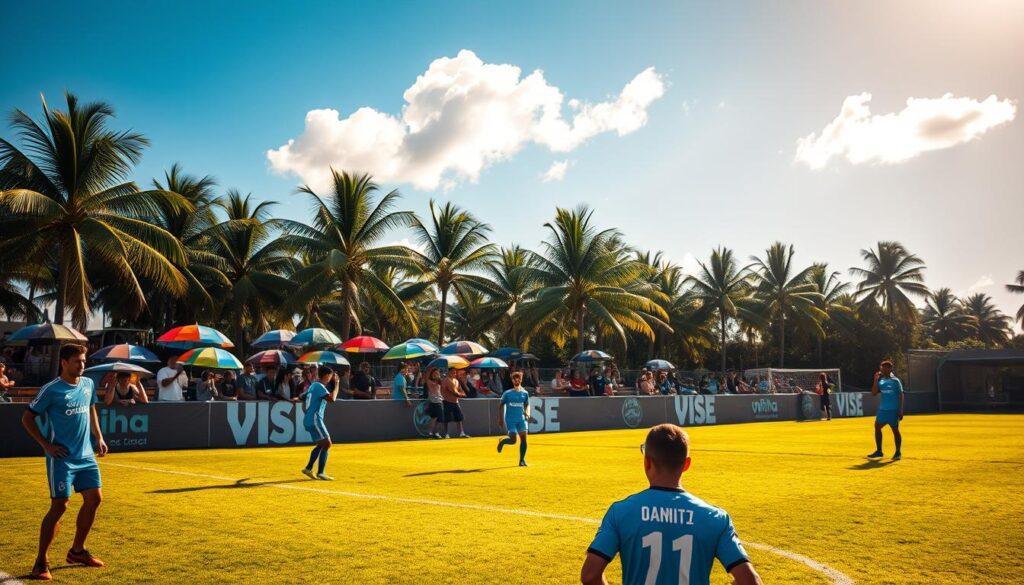
The MLS schedule is also a factor. Orlando City has their 2025 schedule set, while Inter Miami has to travel a lot. This affects their energy levels and readiness for games.
Teams with less rest or travel are at a disadvantage. It’s not just about strategy but also about who can keep going. The team with the most energy has a big advantage.
For fans, planning is key. Knowing the schedule helps you plan your trip better. A game after a long trip might feel different.
This guide helps you understand the unseen challenges of the derby:
- Hydration is King: For players and fans. The Florida sun is unforgiving.
- Check the Fixture List: Was either team on the road days before? Fatigue is a predictor.
- Bench Depth Matters: In these conditions, squad rotation isn’t a luxury; it’s a necessity.
- Travel Light, Travel Smart: For fan travel, logistics are half the battle. Know the venue and plan for the elements.
Understanding these MLS Florida-specific pressures gives a clearer view. It’s not just about the game but also about being ready for the weather and schedule. For more insights, check out this Florida sports analysis.
Advanced Stats: xG trends, pressing intensity, passing networks
The 26-25 goal tally between Miami and Orlando is interesting. But the real story is in the predictive analytics. They show a rivalry that’s perfectly balanced. We dive into the data to understand the why.
Orlando beat Charlotte 3-1 midweek, ending a streak of draws. But did it change the game’s true nature? Not really. The rivalry is almost mathematically even.
Expected Goals (xG) tells us the truth about soccer. It ignores the misses and the incredible shots. In recent Sunshine Clásico games, xG shows both teams are equally anxious. The small margin isn’t luck; it’s a sign of two teams canceling each other out.
Orlando’s press is high-energy but is it effective? The data says yes, but only in certain areas. Miami’s calmness under pressure often turns these moments into nothing. The press might burn energy but doesn’t always spark a fire.
Miami’s secret is their passing network. Sergio Busquets is key, but they’ve also developed alternative routes.
When Orlando presses Busquets, the ball often goes wide to Jordi Alba or to Luis Suárez. This creates a different game plan. It’s not just about one player but a web of safe options. This is why Miami’s build-up looks calm, even when surrounded by Orlando players.
| Metric | Orlando City Implication | Inter Miami Implication |
|---|---|---|
| High xG per Shot | Seeks quality over quantity; relies on precise final balls. | Creates through individual brilliance within structured play. |
| Passes per Defensive Action (PPDA) | Aggressive, high-risk press that can leave them exposed. | Low number indicates they face intense pressure but often beat it. |
| Progressive Passes Network | Dispersed; multiple players share creative burden. | Centered on Busquets, with Alba as key wide outlet. |
This table is more than just stats. It’s the blueprint of the Orlando City rivalry and the Inter Miami rivalry. Orlando wants to disrupt and attack. Miami aims to absorb and dissect. Both are partially successful, leading to draws.
Who controls the game’s pace? Sometimes, it’s the losing team. A Miami loss might show them dominating possession. An Orlando win might hide a struggle to break through. The data doesn’t always show the highlights.
This intellectual core is what makes the rivalry so compelling. It’s a chess match played at a sprint. Understanding these advanced stats helps us see beyond the score. It shows why this Orlando City rivalry is so eternally, frustratingly, beautifully even.
Away-Day Guide: Tickets, travel, supporter sections
So, you’ve decided to trade your armchair analysis for the thrill of an away day in Fort Lauderdale—brave soul. This isn’t just a game; it’s a cultural pilgrimage. Consider this your field manual for crossing enemy lines. Let’s get practical.
The core of any fan travel plan is the journey. From Orlando, you have two main arteries: I-95 and the Florida Turnpike. I-95 is the direct route, but it’s often slow. The Turnpike is longer, more scenic, and a bit pricier. It’s the better choice for avoiding I-95’s chaos.
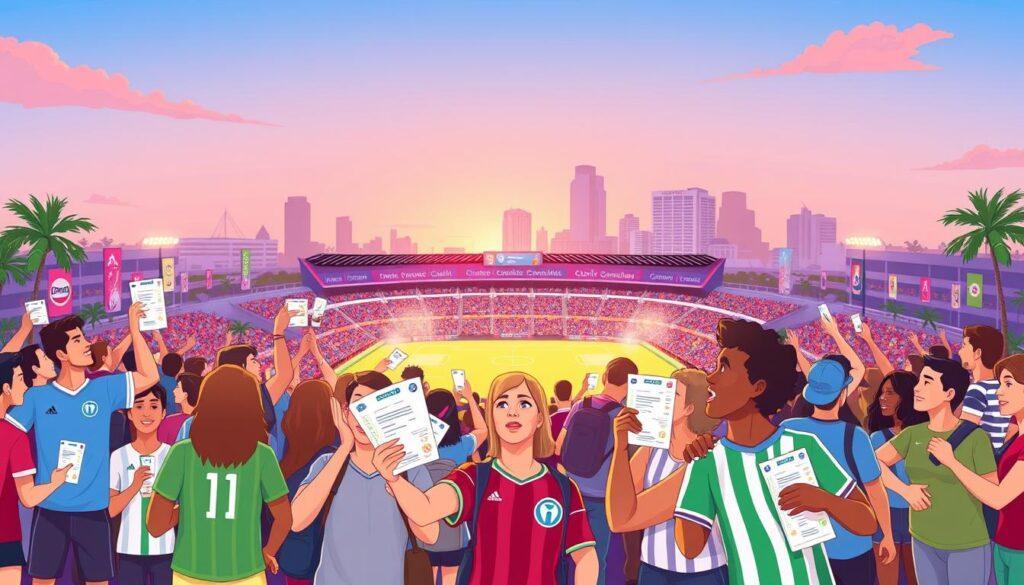
Parking near DRV PNK Stadium can feel like a high-stakes game of musical chairs. Official stadium lots require advance planning and a budget. Our pro-tip? Look for private lots or park-and-ride options a mile or two out. The walk is a good primer for the atmosphere you’re about to enter.
Now, for the main event: tickets. Traveling supporter sections are your sanctuary. For Orlando City fans, these are typically allocated in advance through the club’s official supporters’ groups. Do not, under any circumstances, buy a general admission ticket and try to sit with the purple wall. You will be spotted, and it will be awkward. Coordinate with The Ruckus or the Iron Lion Firm for the official away section access. This is non-negotiable.
Pre-game rituals matter. While wearing Orlando purple in South Florida might draw some side-eye, there are havens. Some bars near the stadium are unofficially tolerant of away fans, as long as you spend money and avoid trouble. Do your research online; supporter forums are gold mines for this intel. The goal is to hydrate and hype up, not to start a diplomatic incident.
Once inside, you’ll feel it. The tension is a tangible thing. This is why you circled this rivalry game on the calendar. It’s the reason away days can be planned and why Lions supporters are already mapping out the quest for the 2025 MLS Cup Playoffs. Your voice now adds to the chaos.
Remember your fan travel essentials:
- Ticket & ID: Have them digital and physical. Tech fails.
- Purple Gear: Wear it proudly, but wisely. Don’t be a target.
- Cash for Parking: Some lots don’t take cards.
- Patience: For traffic, lines, and rival banter.
- A Voice: You’re there to support. Use it.
Ultimately, successful fan travel is about blending preparation with passion. You’re not just a spectator; you’re part of the spectacle. Navigate the logistics, find your tribe in the stands, and soak in the unique electricity of the Sunshine Clásico live. The analysis from your couch was just the preview. This is the main feature.
Social Buzz and Chants: How fans shape the derby
The scoreboard shows one thing, but social media tells another story during Orlando City vs. Inter Miami games. This is where the Florida Derby comes alive between matches. It’s a wild mix of memes, angry tweets, and big reactions.
At kickoff, X (formerly Twitter) is full of everything. You’ll see fans celebrating Messi’s free-kicks and others getting angry at referees. There are also calls to make it to the finals. This digital noise is the rivalry’s heartbeat.
Before the game even starts, fans are already talking online. A funny meme can become a big deal. A player’s tweet can add personal stakes. This fan culture makes the Sunshine Clásico more than just a game.
The Acoustic Fury: Chants That Define the Match
Social media is the mind, but chants are the heart. Fans in the stands are telling a story with their voices. Each team has its own songs, born from both triumphs and defeats.
For Orlando City, “Vamos Orlando!” is always there. But when they’re winning, they have a special chant for Miami. It’s a reminder that Orlando is their home. Their chants are loud and mean to stop Miami’s play.
Inter Miami’s chants changed with Lionel Messi’s arrival. They mix old favorites with new songs inspired by Argentina. Their goal chants are more than celebration; they’re a statement of a new era. The fans are not just watching; they’re leading the story.
This creates a cycle of energy. A good chant can lift the players, who then energize the crowd. In the Florida heat, this sound is like a force, a true twelfth player.
| Chant Name | Team | Lyrics Snippet | Typical Match Context | Fan Sentiment |
|---|---|---|---|---|
| “Vamos Orlando” | Orlando City | “Vamos, vamos Orlando… esta noche, tenemos que ganar!” | Pregame, sustained pressure | Unifying, defiant energy |
| “Messi, Messi” | Inter Miami | Simple, repeated name chant to Argentina tune | Messi on the ball, set-piece | Reverent, expectant magic |
| “You’re Not From Here” | Orlando City | Pointed taunts about Miami’s “plastic” support | When Miami fans are loud | Territorial, dismissive |
| “Dale, Dale, Dale” | Inter Miami | “Dale, dale, dale Miami… goool!” | After a goal, mounting attack | Celebratory, driving momentum |
| “We Can See You Sneaking Out” | Orlando City | Mocking fans leaving early after a loss | Late-game, securing a lead | Glorious, merciless schadenfreude |
The table shows a few examples of the chants used in the Florida Derby. Each chant is a tool and a shield. They shape the game’s emotional journey as much as any tactical move.
So, what’s the outcome of all this noise? It turns a regular MLS game into a cultural event. The Sunshine Clásico is remembered for more than just the score. It’s about the memes, chants, and passion that make this rivalry special. Fans, with their phones and voices, write this story.
What’s Next: Transfer targets and academy talent to watch
The final whistle is just a pause in this Florida rivalry. For the teams in Orlando and Miami, this game is a scouting report. Every play, every decision is data for the future.
In Fort Lauderdale, the plan for after Messi is already being made. Leonardo Campana’s strong play does more than score goals. It shows he could be the key player for the future. This derby is his chance to prove it.
Orlando might find their missing piece in their pressing scheme. They might need a specific midfielder to control the series. The answer could be in their academy. Which young player is ready to become the new cara, the face of this rivalry? The pipeline from youth to the big leagues is key for both teams.
This result sends a message. A win attracts better players. A standout performance by a young player can speed up his growth. The passion we saw today will shape the next five years of player moves, much like the defining moments preserved in Alabama college football history, where individual performances and team decisions shaped the future of the game.
The future of the Sunshine Clásico is being written today. It’s in the choices of players like Campana and in the dreams of the next young star.